What is a Vision Impairment?
Many people have a visual defect that we describe as ‘short-sighted’ or ‘long-sighted’, but these are normally correctable by the use of contact-lenses or spectacles. A visual impairment can therefore be defined as a non-correctable defect of the eye or eyes and can be measured in two ways: visual acuity and/or field of vision.
Visual Acuity (VA)
Visual acuity is acuteness or clearness of vision. It is dependent on the sharpness of the (retinal) focus within the eye, coupled with the sensitivity of the interpretative faculty of the brain.
VA is a quantitative measure of the ability to identify black symbols on a white background at a standardised distance as the size of the symbols is varied. It indicates the size of the smallest detail that can be resolved and is the most common clinical measurement of visual function.

In the term “20/20 vision” the first figure refers to the distance in feet from which a person can reliably distinguish a pair of objects. The second figure is the distance from which an ‘average’ person would be able to distinguish that same pair of objects (The metric equivalent is 6/6 vision where the distance is 6 meters.)
Twenty feet is essentially ‘infinity’ from an optical perspective (the difference in optical power required to focus at 20 feet versus infinity is only 0.164 diopters). For that reason, 20/20 vision can be considered nominal performance for human distance vision; 20/40 (worse) vision can be considered half that acuity for distance vision and 20/10 (better) vision would be twice normal acuity.
A person with 20/200 vision would need to stand at 20 feet to make out a symbol that could be read at 200 feet by an ‘average’ person.
Field of Vision
Field of vision is the angular extent of the observable world that is seen at any given moment.
Sight Classifications
Whilst not being required for Club or Open Tournaments, a competitive VI archer will soon find that they need a sight classification. This sight classification must be for ‘acuity with best visual correction’ which is different from most other sports. Therefore you will need to inform BBS that you wish for a sight classification for archery when applying.
Informing BBS that you want an archery sight classification serves two purposes, you will get the correct sight classification for archery and the Archery Section will be informed of your interest and added to their mailing list. ‘Best visual correction’ means that any prescribed glasses etc. must be worn during the classification tests.
Some sight classification results will have a re-test date, particularly if there is a chance of change. Change can be deterioration or improvement such as after a successful cataract operation.
When having tests for a sight classification, any prescribed glasses or contact lenses must be taken and worn.
Breakdown of Categories:
B1: Athletes will have no light perception, or some light perception and the ability to perceive some movement, but an inability to recognise shapes.
B2: Athletes will have significantly limited vision, either in how far or how wide can be seen. This category includes being able to count fingers, or being able to recognise/read something at a very short distance. It also includes athletes whose visual field is significantly reduced, even if visual acuity is higher.
B3: Athletes will have greatly limited visual acuity and/or limited visual field. B3 is the highest category used for most international and Paralympic sports.
B5 is the highest sight level used within Visually Impaired Sport. If you are above the threshold for a B5 classification, we can often issue a ‘Visually impaired athlete certificate’ for use within open competitions.
Only the British Blind Sport recreational classification system includes B4 and B5 sight categories. This allows more athletes to participate on a level playing field for local and national sports.
For more information, visit the BBS Sight Classifications (opens in new window) page.
Common Sight Impairments
Visual impairment can affect people in many different ways, depending on which parts of the eye or visual system are affected and how the condition develops over time. Below is an overview of six of the most common visual impairments, outlining how each condition can impact vision and everyday activities.
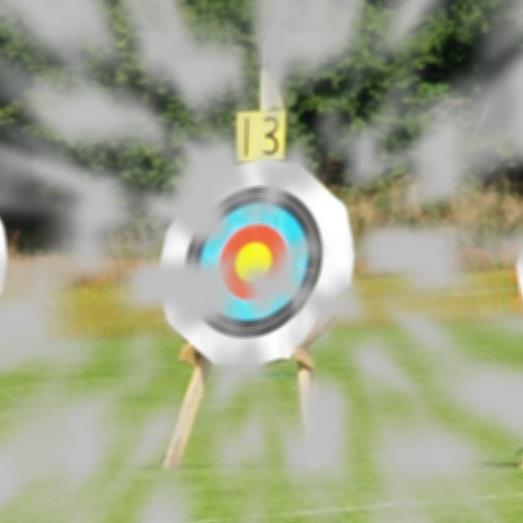
Macular degeneration
This a condition that causes you gradually to lose your central vision. Macular degeneration occurs when the part of your eye that is responsible for central vision (the macula) is unable to function as effectively as it used to. Macular degeneration doesn’t affect your peripheral vision (your outer vision, sometimes known as “side vision”). There are two types of macular degeneration, dry and wet. Dry macular degeneration affects your eyes gradually. There is no treatment for dry macular degeneration. Wet macular degeneration is more serious than dry macular degeneration, and can develop very quickly.
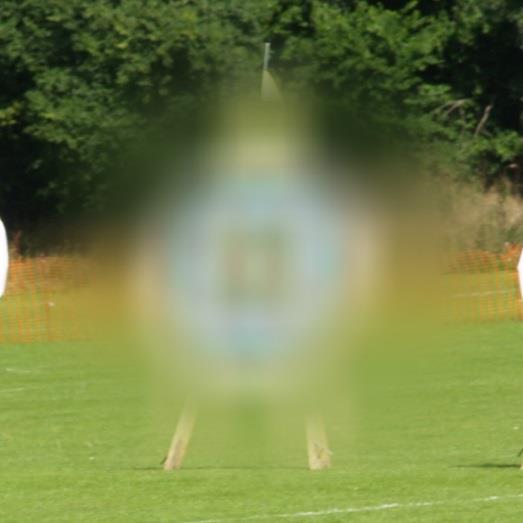
Cataract
A cataract is a clouding of the lens in the eye that affects vision. Most cataracts are age related and thus are very common in older people. A cataract can occur in either or both eyes. It cannot spread from one eye to the other.

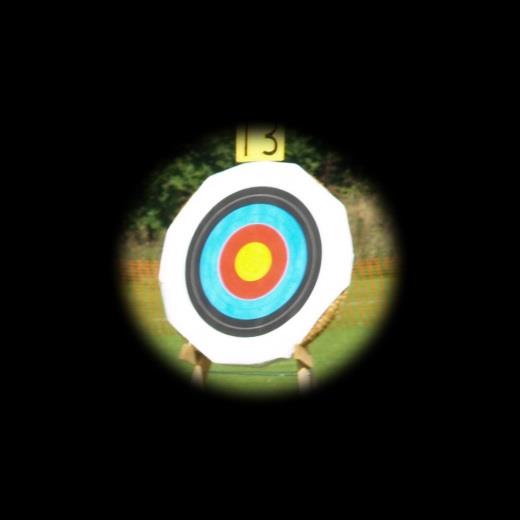
Tunnel Vision
This impairment could be the result of Glaucoma (damage caused by an increased pressure of the fluid of the eye), Retinitis pigmentosa, which is a group of genetic eye conditions. Hypoxia, (lack of oxygen) or a variety of other disorders.
(Temporarily it can be the result of excess alcohol use, blood loss or even extreme anger)
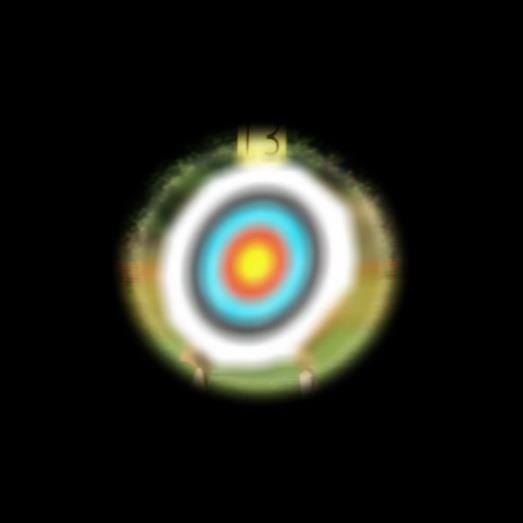
Tunnel Vision plus Cataracts
This combination of visual impairment is quite common and can be the result of Retinitis Pigmentosa with associated cataract or glaucoma with cataract.
Many people with glaucoma report experiencing a blurring in their vision. This may feel similar to the way your eyes often feel when you wake up. However, if this blurred vision is a result of glaucoma, rubbing their eyes, blinking several times or even the use an eye drop to moisturize their eyes will not help.
Hemianopia
This is the result of damage to the visual pathways leading to the eye from the brain. Homonymous hemianopsia, or homonymous hemianopia, is a medical term for a type of partial blindness resulting in a loss of vision in the same visual field of both eyes. It is usually caused by injury to the brain itself, such as from a ‘stroke’ or trauma’.
Diabetic Retinopathy
This is a visual loss resulting from changes within the blood supply system at the retina caused by diabetes. These spots are often followed within a few days or weeks by a much greater leakage of blood, which blurs vision. In extreme cases, a person will only be able to tell light from dark in that eye. It may take the blood anywhere from a few days to months or even years to clear from the inside of the eye, and in some cases the blood will not clear.