
Visually impaired (VI) archery in the UK has developed from small-scale experimentation into an internationally recognised discipline, supported by standardised equipment, formal rules, and inclusive competition pathways. This progress has been driven by the determination of visually impaired athletes, volunteers, coaches, and administrators working collaboratively over several decades.
Early Development and Equipment Innovation
The foundations of modern VI archery were laid in the late 1970s, at a time when there were no formal rules, recognised equipment, or competition structures for blind archers. Early pioneers explored ways to adapt archery techniques through tactile reference systems, enabling archers with little or no sight to shoot consistently and safely.
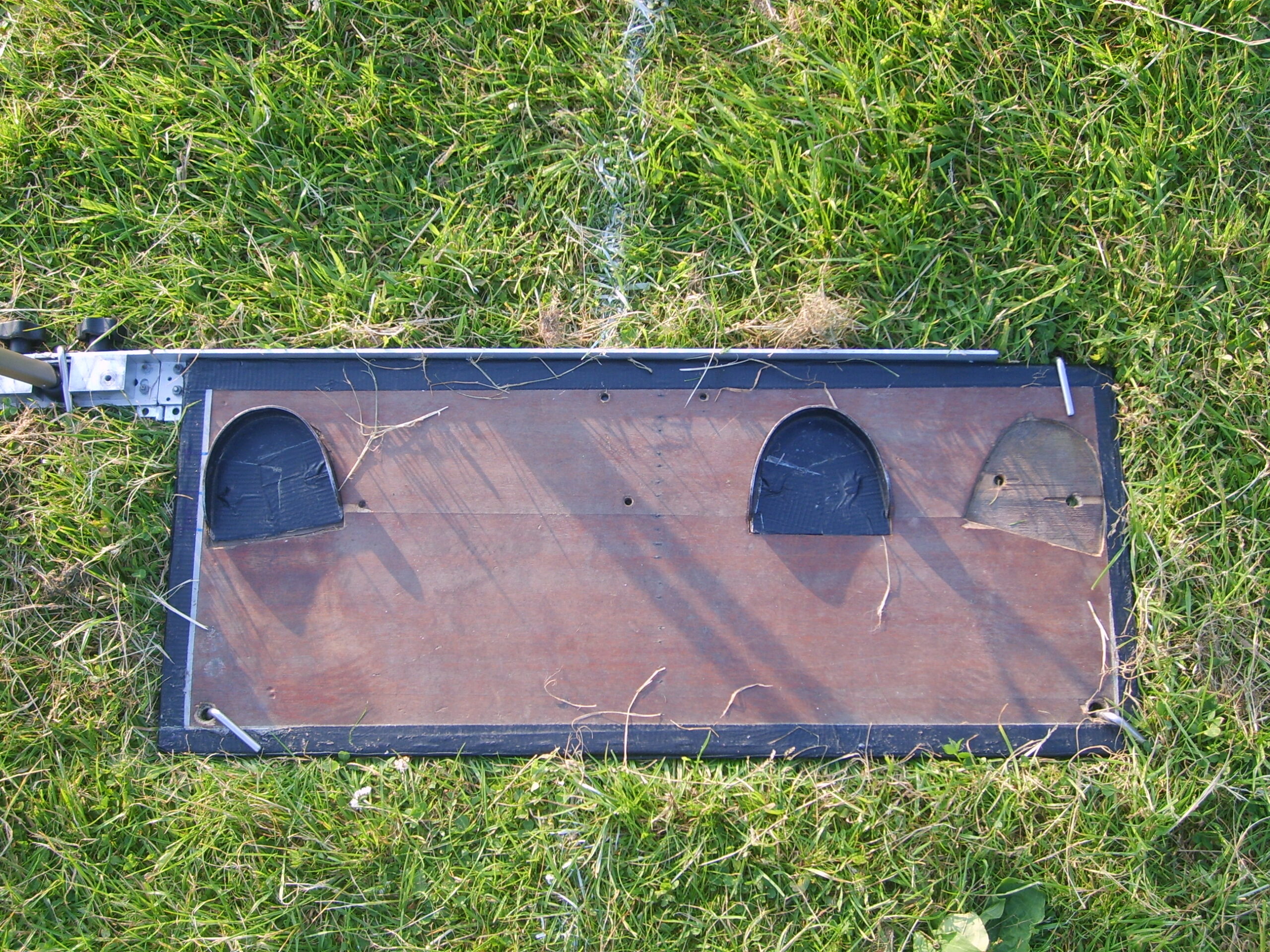
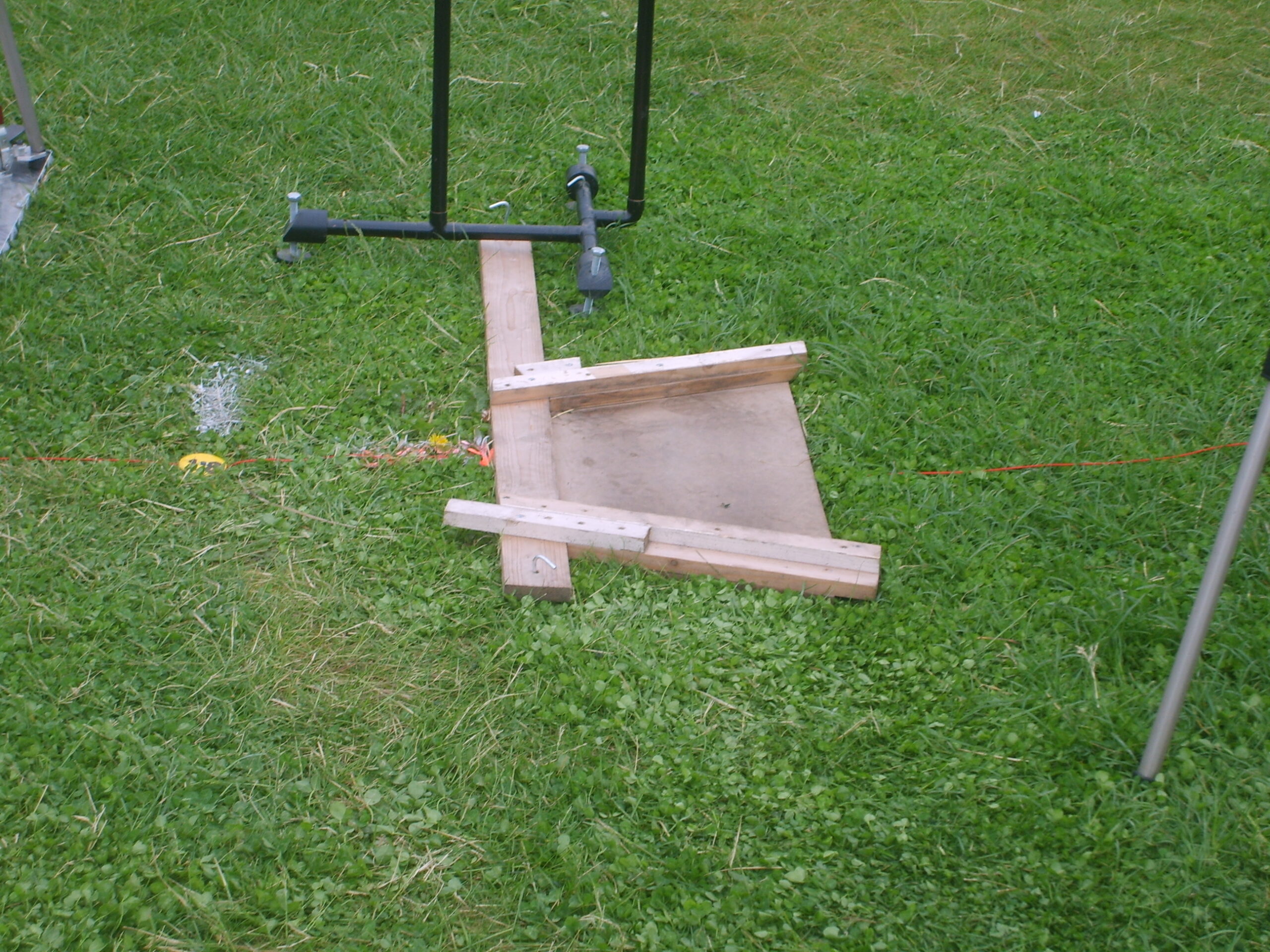
Initial tactile sighting systems were developed through practical experimentation and local technical support. Early designs included free-standing tripods and hand-based tactile reference points, which were refined over time. These developments formed the basis of the tactile sighting methods that are now widely used in VI archery.
Establishment of Organised VI Archery
A major milestone was reached in 1985 with the formal creation of the British Blind Sport Archery Section, providing national structure, governance, and representation for visually impaired archers. The establishment of the Section enabled the development of competition frameworks, coaching support, and consistent classification systems.
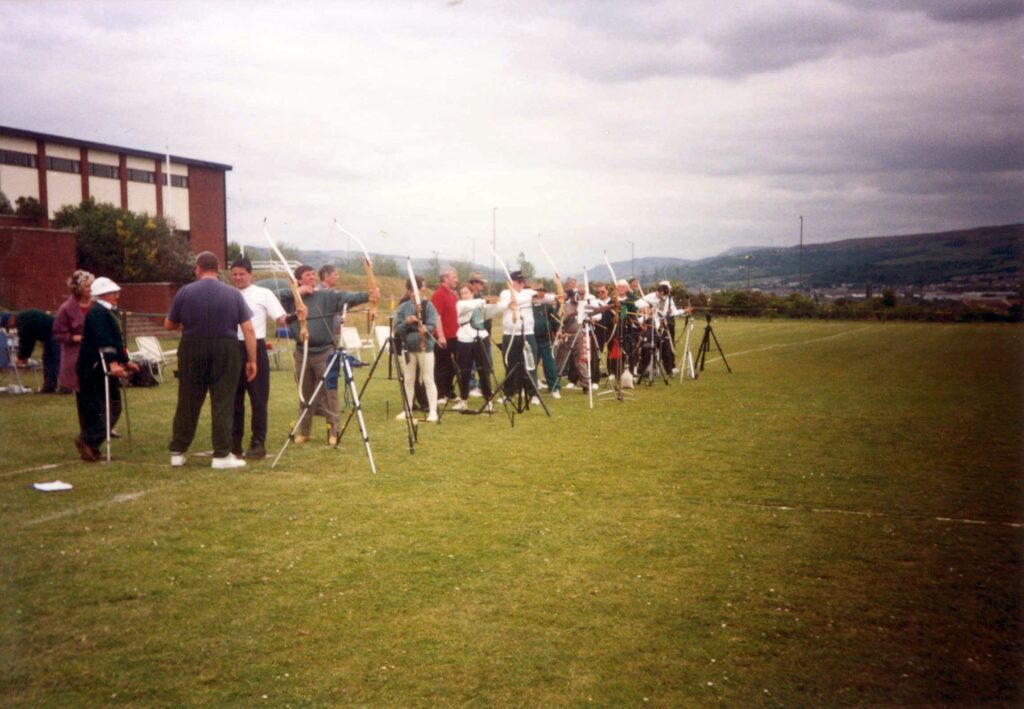
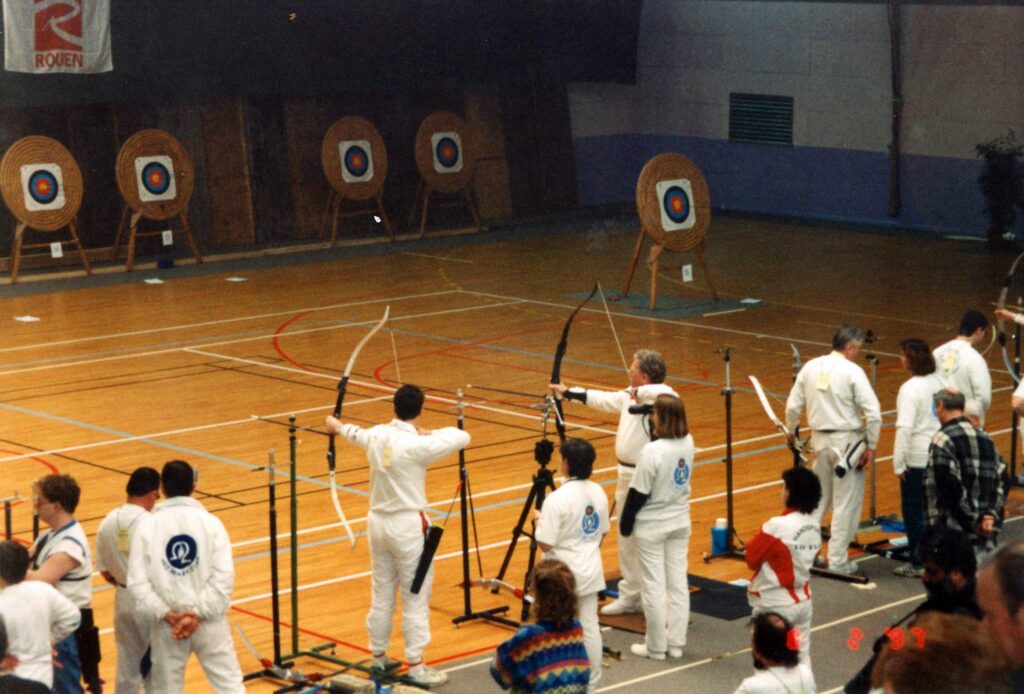
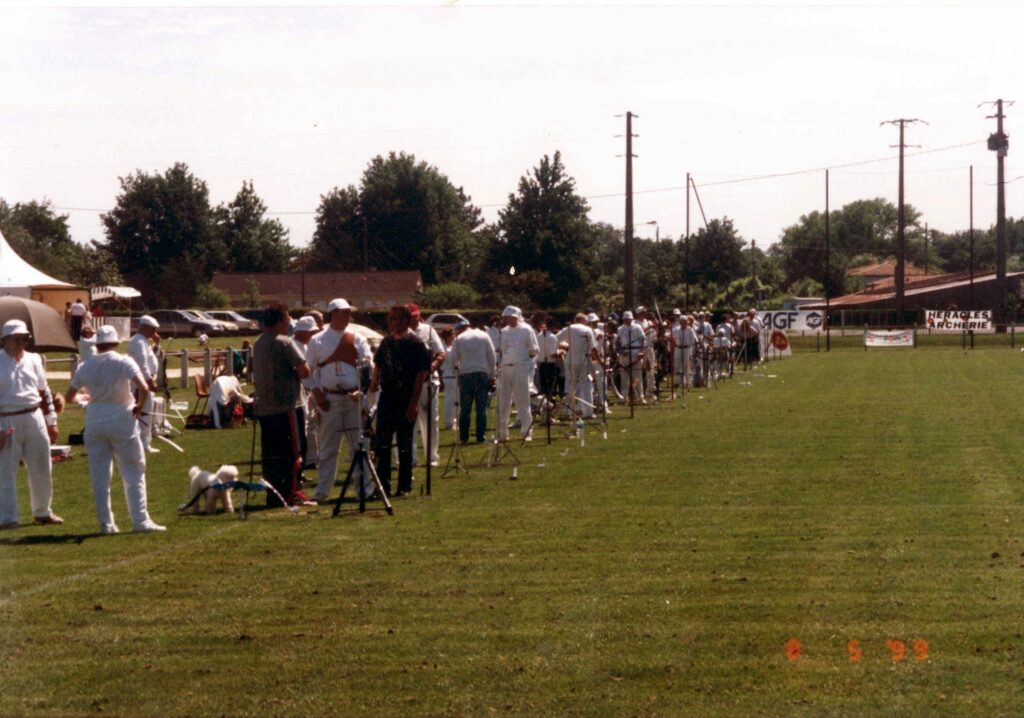
Throughout the late 1980s and 1990s, VI archery expanded both within the UK and internationally. UK-based archers took part in demonstration events and competitive exchanges across Europe, particularly with French archers, helping to raise awareness of the discipline and encourage wider participation.
Growth of Competition and International Engagement
From the early 2000s onwards, VI archery became increasingly visible within international para-sport environments. British archers participated in national championships, European events, and international invitation competitions, both indoors and outdoors.
Alongside competitive activity, significant effort was devoted to the development of formal rules. UK representatives played a key role in drafting and refining international regulations for VI archery. These rules were subsequently adopted by the International Blind Sports Association (IBSA), endorsed by the International Paralympic Committee (IPC), and later incorporated into the regulations of World Archery (WA). This marked a crucial step in aligning VI archery with mainstream international archery governance.
Inclusion in Major Para Archery Events
The 2010s represented a period of increasing inclusion. Visually impaired archers began competing in fully inclusive record-status events in the UK and were invited to participate as full competitors — rather than demonstration athletes — at major Para World and European Championships.
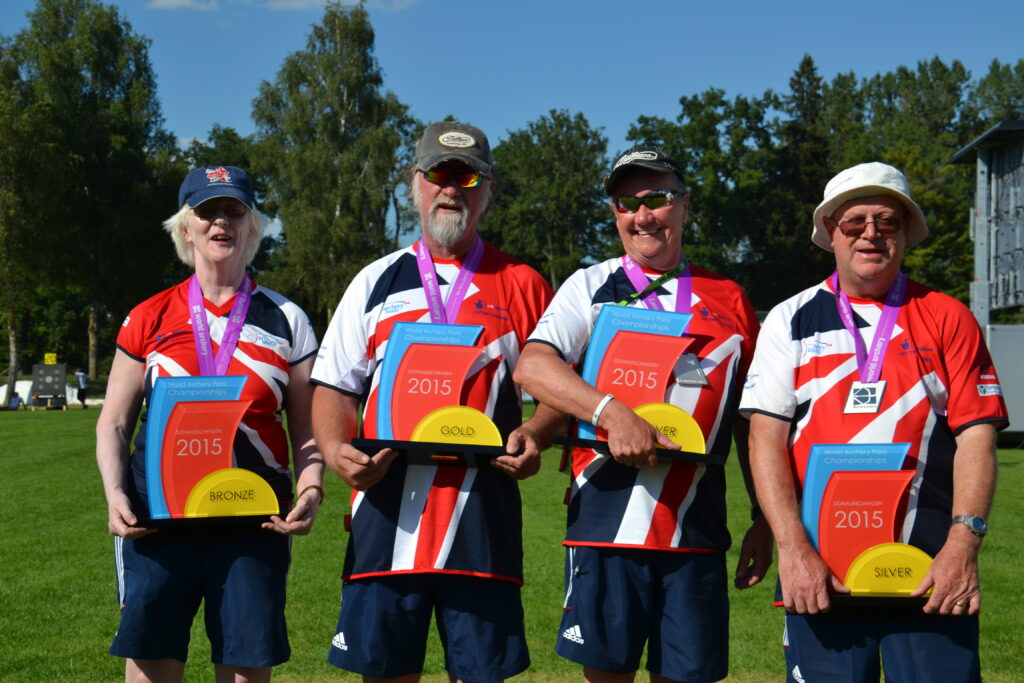
British VI archers achieved notable success at international events, contributing to growing recognition of the discipline and strengthening the case for long-term inclusion within elite para-archery structures. Participation continued at World and European Championships across multiple host countries, with increasing international representation.
In 2023, the IBSA World Blind Games held in Birmingham brought together competitors from ten countries, reflecting the sustained growth and maturity of the sport.
Ongoing Development and Legacy
Today, VI archery is supported by regular national championships, coaching and spotter education, internationally recognised rules, and inclusive competition opportunities. British VI archers continue to compete at all levels, from local clubs to international championships.
The development of visually impaired archery has been shaped by the long-term commitment of many individuals and organisations working collaboratively to improve access, safety, and competitive opportunity. Their collective efforts have ensured that visually impaired archers can participate on equal terms, with clear pathways from grassroots involvement to elite competition.
History Timeline
1970s – Early Foundations
1978
- Early exposure to tactile archery methods through visually impaired athletes competing at national disability sport events.
- Initial demonstrations of tactile sighting systems highlight the potential for blind and partially sighted archers to compete safely and consistently.
Early 1980s – Equipment Development
1979–1984
- Experimental tactile sighting systems are developed in the UK, at a time when no formal rules or recognised equipment existed.
- Early designs include free-standing tripods and hand-based tactile reference points, refined through practical testing and technical support.
- These early systems form the basis of modern tactile sights used today.
1985 – National Organisation Established
1985
- Formation of the British Blind Sport Archery Section, providing formal governance, representation, and competition structure for visually impaired archers in the UK.
- Introduction of national championships and consistent classification pathways.
Late 1980s – 1990s – International Engagement
1987–1999
- UK visually impaired archers take part in regular international exchanges and competitions, particularly with France.
- Demonstration and competitive events held in cities including Paris, Poitiers and the Bordeaux region.
- These exchanges help raise international awareness and participation in VI archery.
Early 2000s – Competitive Growth
2002
- UK VI archers participate in international demonstration events alongside major Para European Championships.
2003–2005
- Expansion of national and international competition opportunities for visually impaired archers.
- British VI archers achieve podium success at national and international indoor and outdoor championships.
- VI archers participate alongside other para-athletes at major international events for the first time.
2005 – International Rules Recognition
2005
- International rules for visually impaired archery are formally adopted by the International Blind Sports Association.
- Rules are subsequently endorsed by the International Paralympic Committee and later incorporated into World Archery regulations.
- This establishes VI archery within mainstream international archery governance.
2010s – Increasing Inclusion
2014–2015
- Visually impaired archers compete in inclusive UK record-status events alongside able-bodied and other para-archers.
2015
- VI archers are invited to compete as full participants at the Para World Archery Championships, rather than in demonstration events.
- British archers achieve international medal success, strengthening recognition of the discipline.
Late 2010s – Continued International Representation
2018–2019
- British VI archers selected for Para European and World Championships, reflecting growing international integration and depth of competition.
2020s – Maturity of the Sport
2022
- British VI archers participate in Para World Championships in the Dubai, supported by national governing bodies.
2023
- IBSA World Blind Games hosted in Birmingham, welcoming athletes from 10 countries.
- British Blind Sport Archery Championships held alongside the international event, highlighting the UK’s leadership role in VI archery.
2025
- British VI archers compete at World Archery Para Championships in Korea, securing international medals and demonstrating continued competitive strength.
Today
- Visually impaired archery is supported by:
- Regular national indoor and outdoor championships
- Standardised tactile equipment
- Recognised international rules
- Coaching and spotter education pathways
- Visually impaired archers compete from grassroots club level through to international championships within inclusive competition structures.